I visited Ban Krut Railway Station on a quiet lunchtime. The station is small and unhurried, with a single platform and only a few tracks. There’s nothing fancy about it, but that’s part of its charm.
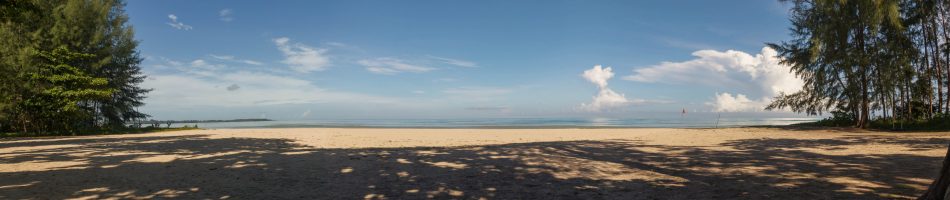
The station sits close to the village, so there’s no rush or noise. Just a few locals waiting, and the sound of a train pulling away. It felt less like arriving at a transport hub and more like arriving in a beach town. From the station, Ban Krut Beach is only a short ride away.
Palm trees line the road, and everything moves at an easy pace. Compared to larger stations in Thailand, this one feels personal and relaxed, like it belongs to the community rather than serving crowds of tourists. Ban Krut Railway Station isn’t a place you come to see. It’s a place you pass through quietly on the way to the sea. And that’s what makes it memorable.
The wooden houses of Ban Krut sit quietly along small roads and sandy paths, weathered by sun and sea air. Most are raised on stilts, practical and unfussy, built to let the breeze pass through and the rain run underneath. The wood is faded and uneven in places, showing years of use rather than neglect. Some houses have wide verandas with plastic chairs, fishing nets hung to dry, or motorbikes parked beneath the floor. Life feels visible here, not staged. There’s no attempt to modernize them for show. These houses exist because they work. They suit the heat, the pace, and the people who live in them.
Walking past, you get the sense that nothing is rushed and nothing needs fixing unless it truly breaks. Like the railway station, Ban Krut’s wooden houses aren’t attractions. They’re just part of daily life. And that quiet honesty is what makes them memorable.


 Journeys From A Small Room