TTArtisan 10mm f/2
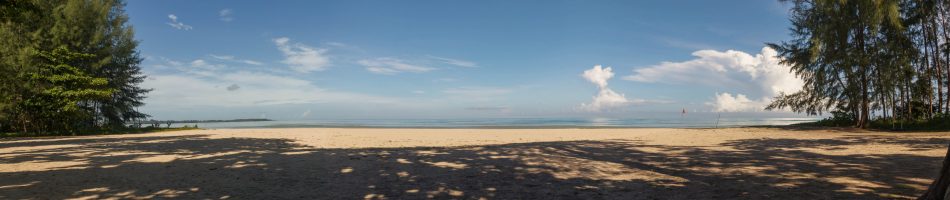
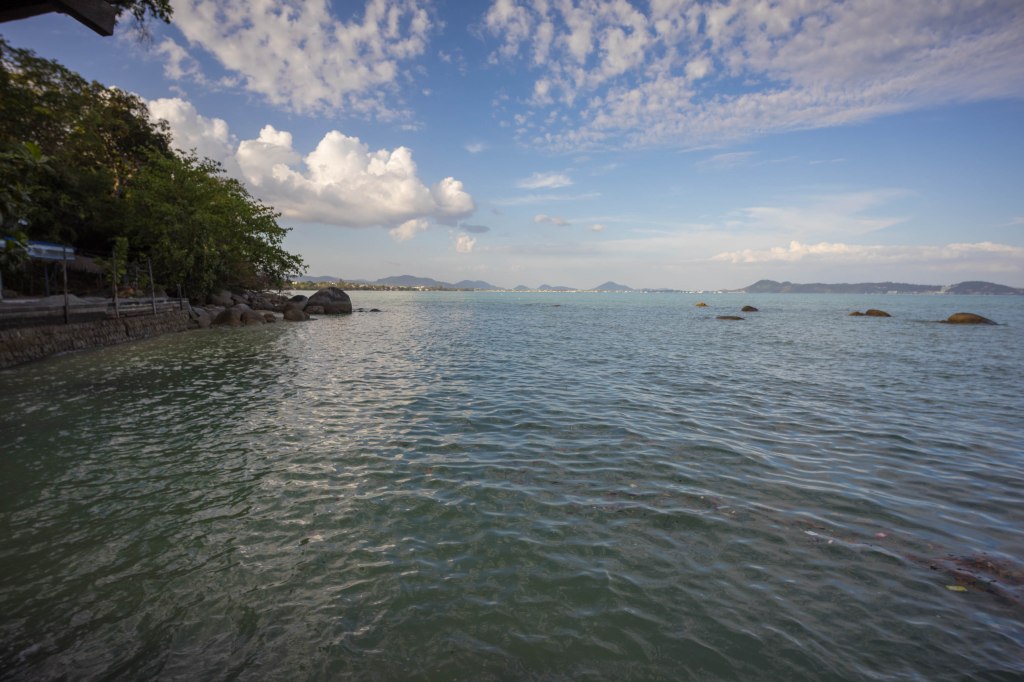
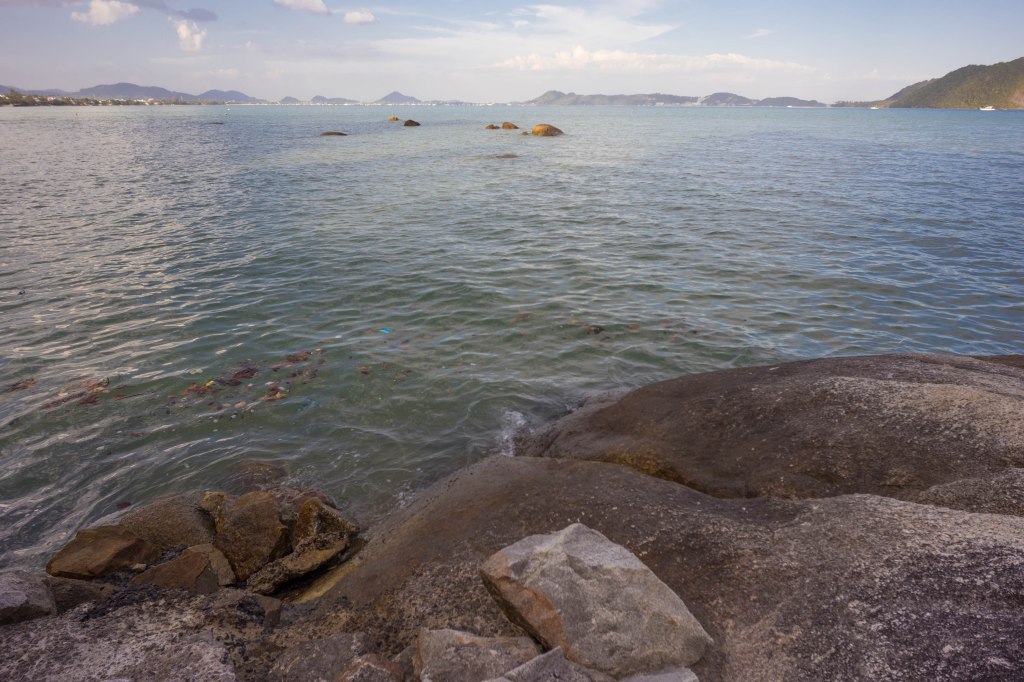
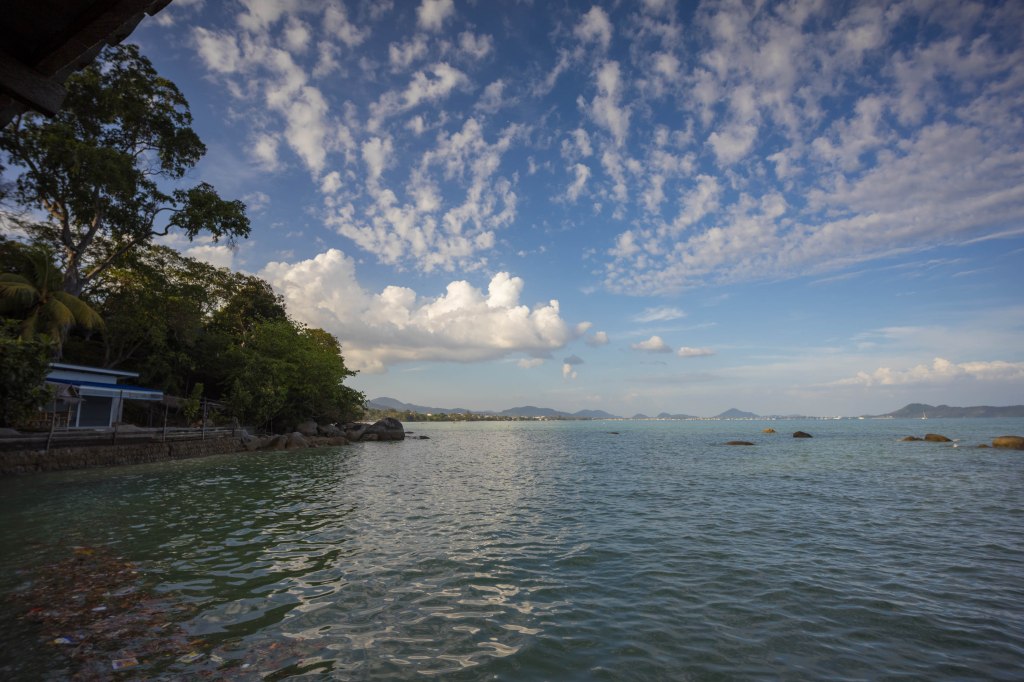
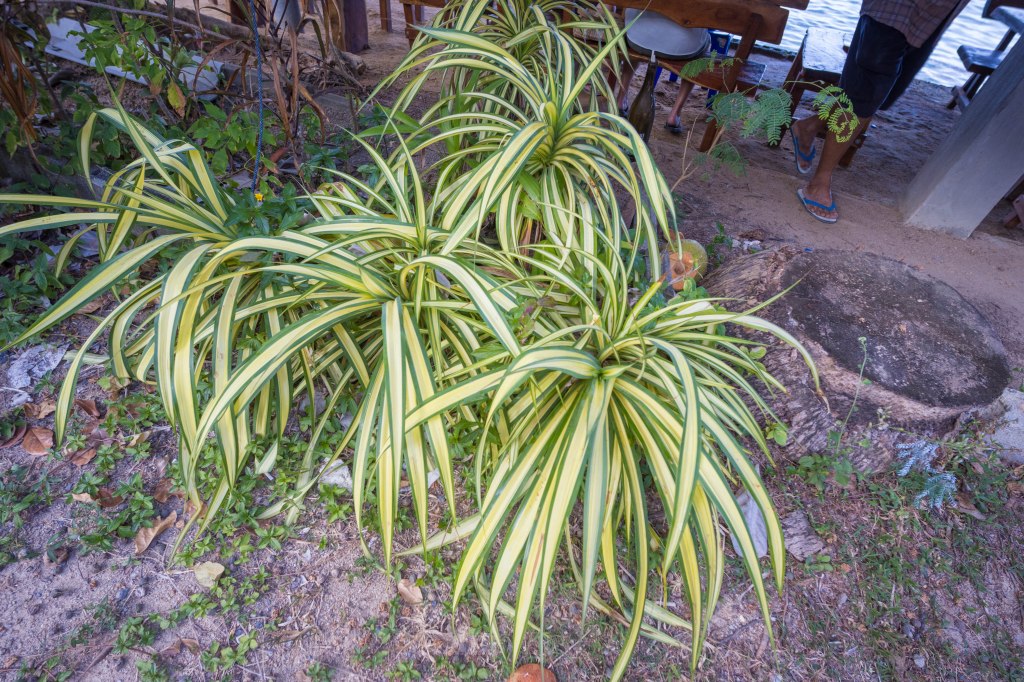
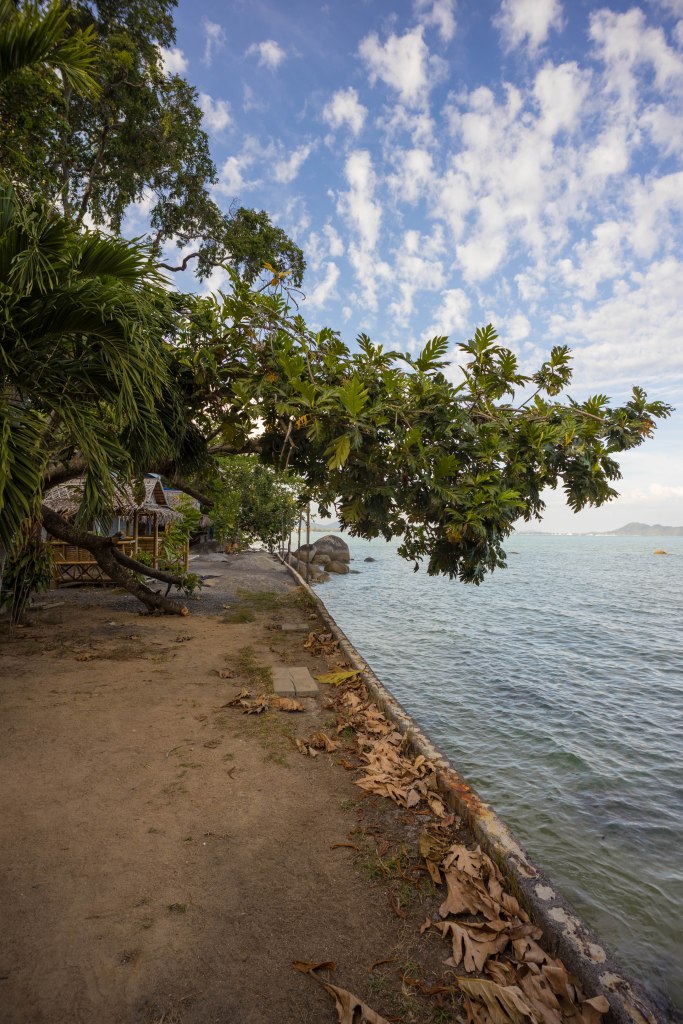
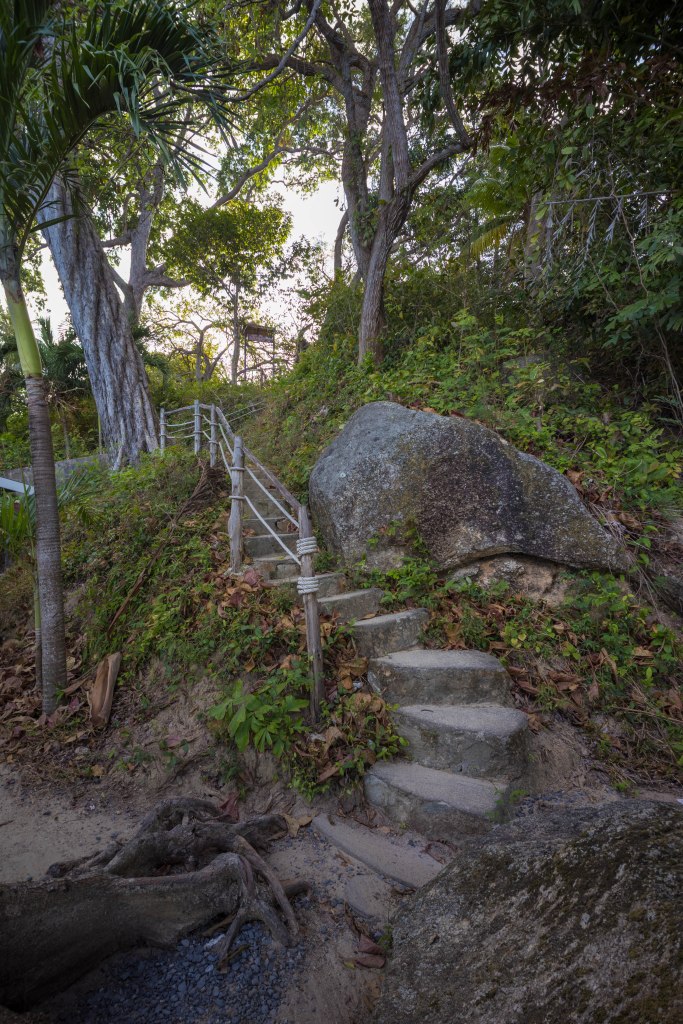
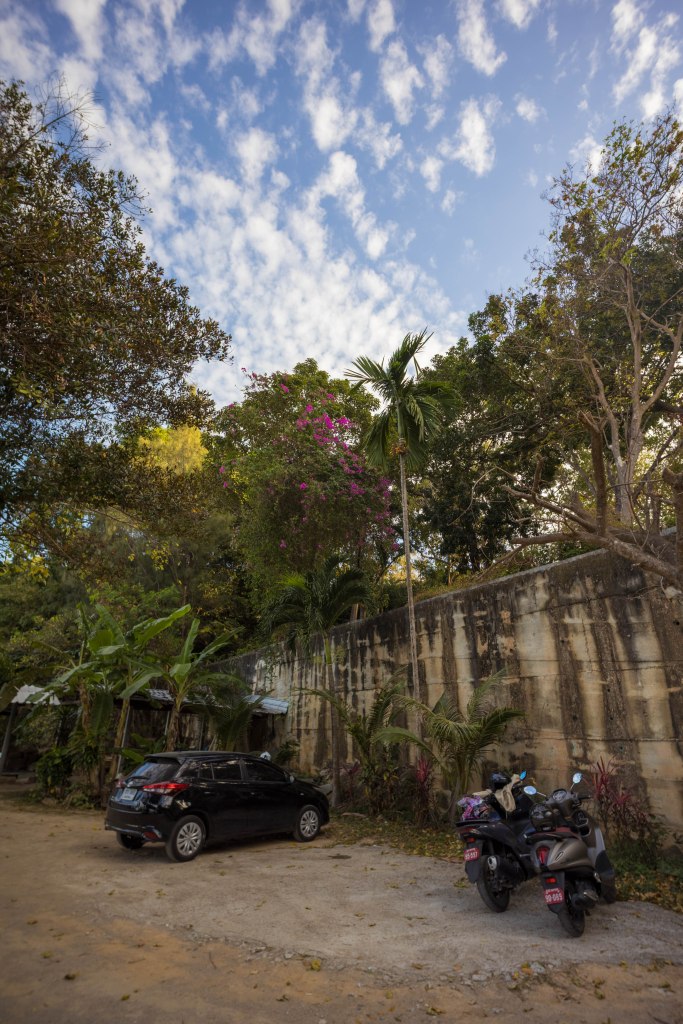
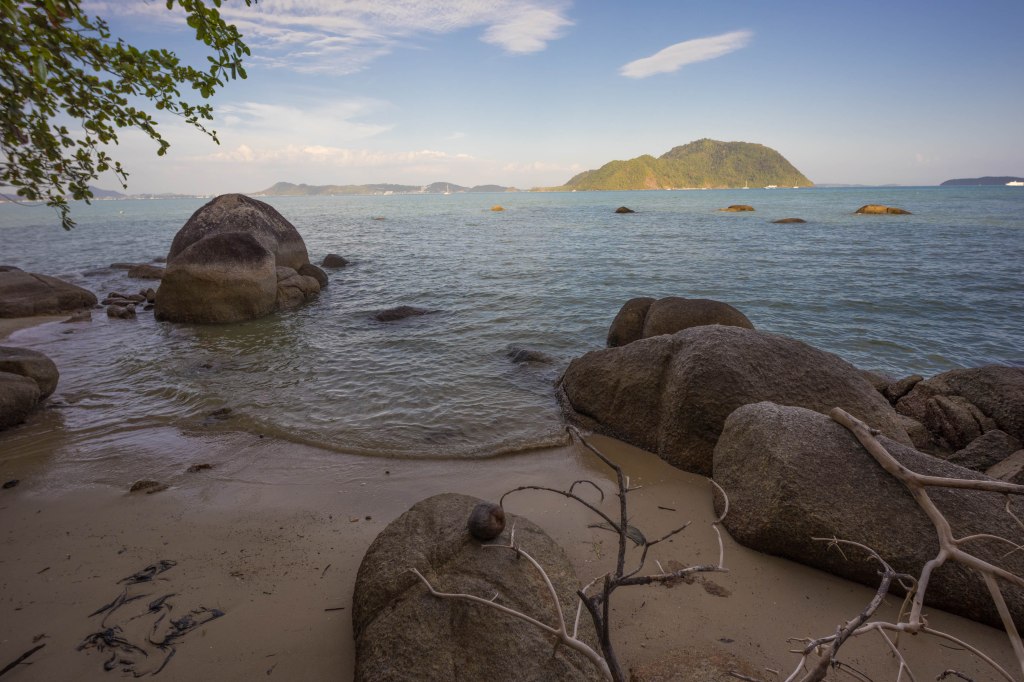
Well, this one isn’t for the faint-hearted. A fully manual 10mm lens on my R10, and I finally took it out yesterday afternoon for a proper test run. The photos in this post should give a fair idea of what it can do for landscape and seascape work, with a few closer, general shots thrown in.
Coming from heavy use of ultra-wide lenses like the Sigma 8–16mm HSM, Canon 10–18mm STM, and even my ancient Tamron 10–24mm, it was immediately obvious that this isn’t a lens for the lazy photographer. It demands your full attention. You really have to study the scene and be deliberate with your settings.
One thing I noticed straight away is that true infinity noticeably stretches the edges of the frame. Dial it back just a fraction and things improve a lot. My first batch of images weren’t really usable straight out of camera. I had to lift the shadows quite a bit in post. That may just be down to my current inexperience with this lens, but it’s worth noting. I’ll update as I spend more time with it.
So, the big question everyone asks first: is it sharp? Yes. Stonkingly sharp. Honestly, it surprised me. Focus peaking on the R10 is faultless, and when I checked the files later, everything was as crisp and accurately focused as I intended.
Colour rendition is a bit more mixed. This could just be my copy, but I found it slightly lacking compared to the Canon 10–18mm straight out of camera. I shoot RAW anyway, but I still felt I had to do a bit of lifting in post to get the images back to how the scene looked in real life. Maybe I’m expecting too much, but it stood out to me.
This is very much a “set your aperture first” lens. Adjusting the aperture ring while the camera is up to your eye is fiddly, and even for me, a bit of a pain. I quickly learned to set it in advance before taking the shot.
In good light, the lens performs very well. In shadier, poorly lit natural light, even at f/2, I found myself lifting shadows considerably in post. That said, sharpness was still there, even when letting auto ISO do its thing.
I’m definitely not writing this lens off. I think it has real potential, as long as you give yourself the time and space to compose properly and dial everything in before hitting the shutter.
Build quality is as “fantastic” as everyone says. All metal, reassuringly solid, and weighty in a good way. The notable thing for me is that it’s smaller and better balanced than the EF-S 10–18mm STM with an adapter, even though the overall weight on the R10 ends up being fairly similar.
This wasn’t meant to be a full review, and I’m not a reviewer. I just wanted to share my early impressions and see whether others have had similar experiences. Hopefully someone finds this useful, and the photos help give a sense of what this lens can do for landscape work.



 Journeys From A Small Room