Bang Riang, Thap Put, Muang, Phang Nga 82000, Thailand
10.03.2023
Wat Bang Riang
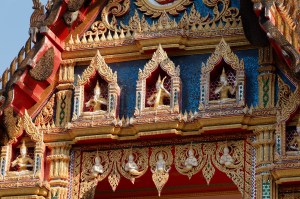
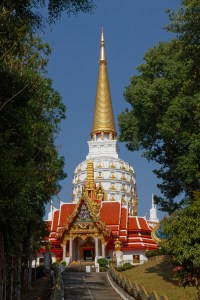
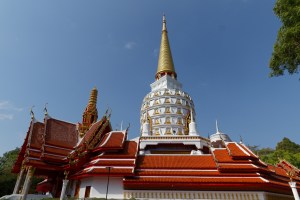
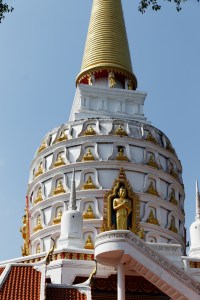
Quite often people overlook the Wat that has the quite spectacular chedi on the hill further up from it.
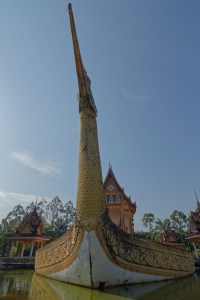
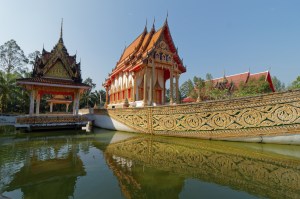
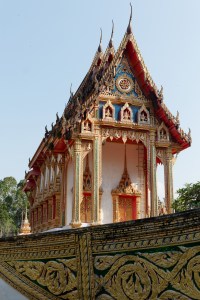
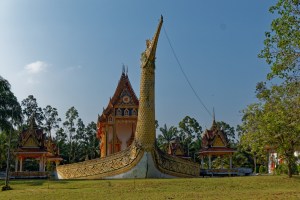
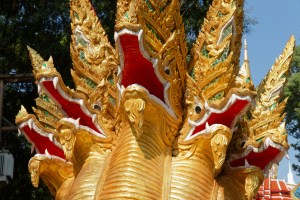
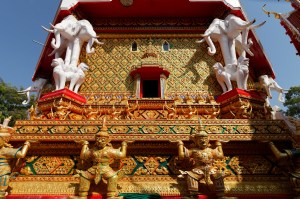
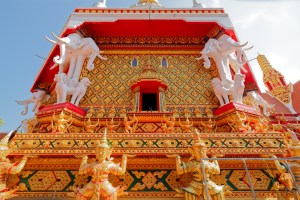
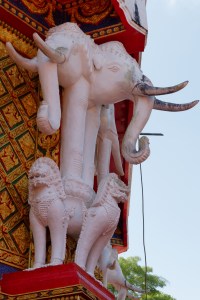
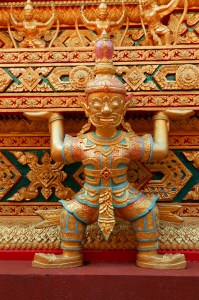
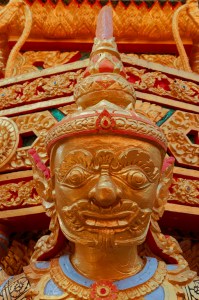
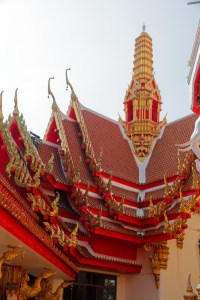
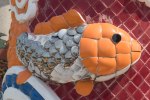
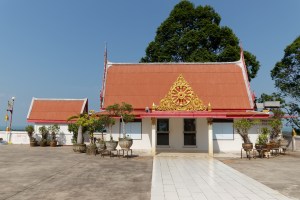
I decided to stop, and take in the unusual and novel design of the Ubosot, set on a concrete boat, with a magnificent Naga head as the Bow.
The Chedi at the top of the hill is the main draw, but I enjoyed this bit and was glad I visited it first!
Bang Riang, Thap Put, Muang, Phang Nga 82000, Thailand
10.03.2023
Wat Bang Riang is a Buddhist temple located in the southern province of Phang Nga in Thailand. The temple is known for its stunning chedi, which is a type of Buddhist stupa that is commonly found in Southeast Asia.
The chedi at Wat Bang Riang is one of the largest and most impressive in Thailand, standing at over 50 meters tall. The structure is made of white marble and features intricate carvings and gold leaf decorations. Visitors can climb to the top of the chedi for panoramic views of the surrounding countryside.
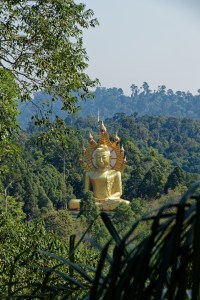
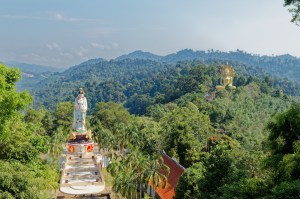
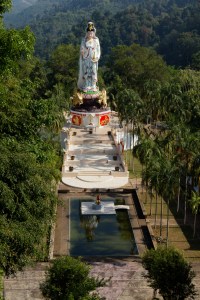
In addition to the chedi, Wat Bang Riang is home to several other important religious structures, including a large statue of the Buddha and several smaller chedis. The temple is also surrounded by beautiful gardens and a small lake.
We got here after stopping at the bottom of the hill and looking around the Ubosot in my previous post.
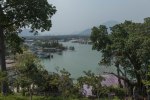
During my road trip to Nakhon Si Thammarat, I met up with another good photog friend of mine, his speciality is drone photography, and he took me to all his favourite take off places. This was one of them in Sichon.
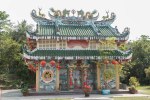
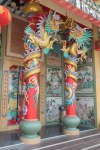
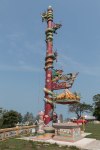
On the side of a hill overlooking the bay is a Chinese dragon Temple, its probably quite new and still doesn’t show on any of the maps. Still one not to be missed if your there.
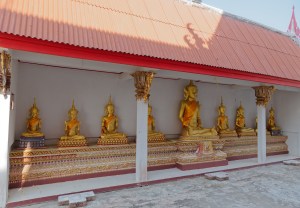
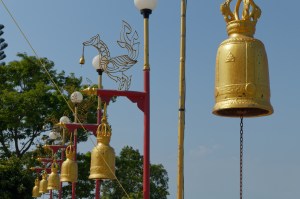
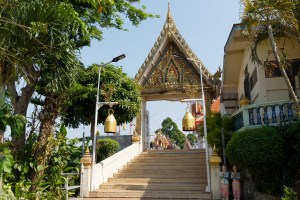
Wat Khao Suvan Pradit (Wat Khao Suwan Pradit) It was founded by one of the respectable Buddhist clerics from Southern Thailand. The temple stands on top of a 45-meter hill. Driving up in the car wasn’t as bad as some temples I have driven too and even the car park(which is large) his a great viewpoint in itself.
You can see the pagoda with relics. Although during my visit the temple was closed.
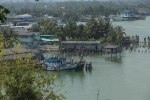
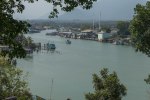
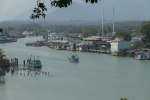
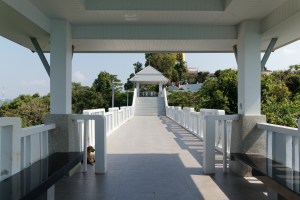
The temple stands on a Cape crane, so that there are incredible views of the area and the Don Sak River, flowing into Samese Bay. And at nautical breadth, of course. The two stilted viewpoints one each side allow you to almost feel as though you are over the sea.
Again the views are spectacular and well worth the visit, I could’ve spent all day there….
The Coral Pagoda that sits in Khao That, otherwise known as Por Thao Khao That.
This temple is 1,000 years old and is revered as a sacred area that’s used as a place to pay homage.
Apart from the Helter skelter drive up to it, its views are stunning and well worth the twisty road. My visit there was breathtaking as I looked out around some of Thailand’s most beautiful Countryside and hills.
It was apparently built by Chinese immigrants on their way to Surat Thani. When they stopped there for a break the local people told them, Surat Thani already has a Pagoda, so they built the Coral one there instead and apparently as legend goes there is treasure (of some sort) hidden within it!
Note there is no shade on the actual Pagoda area, and it was very very hot underfoot (shoes not allowed)
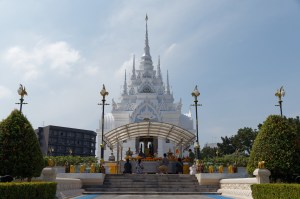
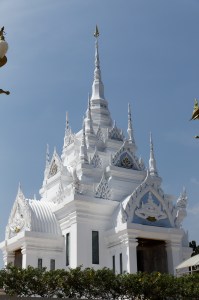
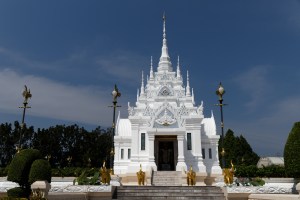
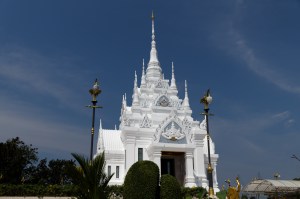
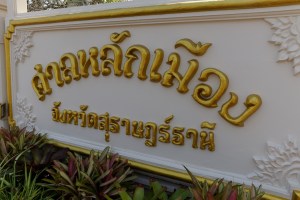
During my visit to Surat Thani recently I stopped by one of the most stunning City Pillar shrines I have ever seen.
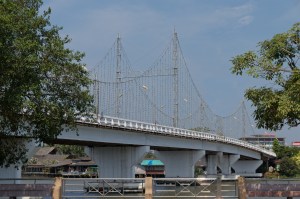
It is located near the Tapee River which runs alongside the road that separates it from the busy road, and you can get a good look at the suspension bridge from by the gates.
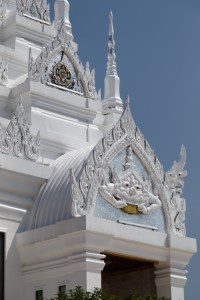
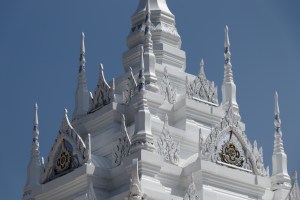
This city pillar is made from wood of the Golden Shower Tree (CasiaFitsula). (it actually looks like white marble). The top of the pillar is carved into a 4-faced Avalo kite. Vara Bodhisattva looking in the 4 directions.
This is a common style of the city pillars around Thailand. On the large hair curls, there is a Buddha image in the attitude of meditation, which is considered as the guardian of the direction, according to Srivijaya’s belief. Moreover, wood carving of this pillar shows delicate floral motifs in Srivijaya style.
A well-kept shrine which is considered by many to be the symbol of the city, the City Pillar Shrine or San Lak Muang is located in the heart of the city. Standing near the Tapee River, this shrine is lit up colourfully at night and is a great spot to spend some time in the city.
Just got back from my break and have got some lovely photos of places I have visited.
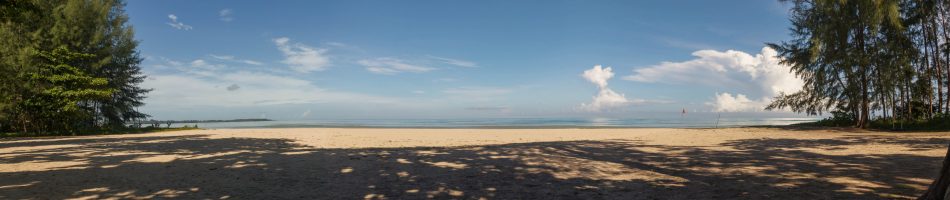
Today we start with Haad Kwang Pao Beach, which when i arrived there was empty and I had the place to myself, heaven! But for how long?
Haad Kwang Pao beach is about 14 kilometer in the north of Khanom it is well posted from the main road.
The beach itself is formed like a halfmoon and fine sandy. some resorts and beach bars are located in the back, but it seems that not many tourists found the road to kwang pao beach. it was really empty, and we were the only tourists we saw. at kwang pao beach…generally on the different beaches of the Khanom area mostly Thai people take their holidays. This depends on the cheap prices for resorts and restaurants, which still exist in that region.
we had wind and waves and we just moved hip deep into the water, but it was deep enough to swim, as the beach slopes gently to the sea and so kwang pao is perfect for families with small children.
The beach is well protected…at the Northend are cliffs located…at the south end there’s a pier with a few seafood restaurants and shops. the vegetation directly on the beach is reduced, because behind the resorts and restaurants is where the beach road is located.
The atmosphere at kwang pao beach was really quiet and peaceful, with just the sound of the waves breaking on the shore. we were alone at the beach the whole time I was taking photos.
This is a natural heritage site too, so pink dolphins, turtles and other marine life can be in the offing.
The dazzling, spectacular Grand Palace is undoubtedly the most famous landmark in Bangkok. It’s one must-see sight that no visit to the city would be complete without. It was built in 1782 and for 150 years was the home of the Thai King, the Royal court and the administrative seat of government.
The Grand Palace of Bangkok is a grand old dame indeed, that continues to have visitors in awe with its beautiful architecture and intricate detail, all of which is a proud salute to the creativity and craftsmanship of the Thai people. Within its walls were also the Thai war ministry, state departments, and even the mint. Today, the complex remains the spiritual heart of the Thai Kingdom.
Within the palace complex are several impressive buildings including Wat Phra Kaew (Temple of the Emerald Buddha), which contains the small but famous and greatly revered Emerald Buddha that dates back to the 14th century.
The robes on the Buddha are changed with the seasons by HM The King of Thailand – an important ritual in the Buddhist calendar. Thai Kings stopped living in the palace around the turn of the 20th century, but the palace complex is still used to mark all kinds of other ceremonial and auspicious happenings.
The palace complex, like the rest of Ratanakosin Island, is laid out very similar to the palaces of Ayutthaya, the glorious former capital of Siam which was raided by the Burmese. The Outer Court, near the entrance, used to house government departments in which the King was directly involved, such as civil administration, the army and the treasury. The Temple of the Emerald Buddha is located in one corner of this outer court.
The Central Court is where the residence of the King and halls used for conducting state business were located. Only 2 of the throne halls are open to the public, but you’ll be able to marvel at the exquisite detail on the facades of these impressive structures.
The Inner Court is where the King’s royal consorts and daughters lived. The Inner Court was like a small city entirely populated by women and boys under the age of puberty. Even though no royalty currently resides in the inner court, it is still completely closed off to the public.
Then there’s the impressive Dusit Hall, rated as perhaps the finest architectural building in this style, and a museum that has information on the restoration of the Grand Palace, scale models and numerous Buddha images.
Music free under creative commons licence, from youtube music library
Title: Fern by ann annie
In conclusion of this trilogy of street Art in Kata-Phuket, this area down the sidewalk to the small canal to the Kata beach, suns a wall with more modern and free form murals and wall art.
This area was also earmarked for urban renewal, which as all things is slow.
You can still walk down this canal path and see these murals, there were so many more but I think this gives you a good flavour of what’s there.
So following on from Pt1 ,Kata Palm Square Street Art- Phuket Pt1, I’ll put the link in this video which will take you right to it if you’ve missed it.
The photo project on this area of Kata was quite extensive , so I had to break it down into 3 pts, this is no.2! be sure to hit the like and follow button so you can be notified when they come out in the next few days!
Part of Kata’s regeneration scheme after coming out of Covid, this is a great way of brightening up the area for locals and visitors alike.
Look out for pt3 coming soon!
Music free under creative commons licence from You tube music library
Titles;Bonfire by An Jone
I went to Palm Square, Kata Town in Phuket, you will love this place for two reasons, not only for the excellent food they serve but the amount of brilliant graffiti artwork in and around this huge complex called; Palm Square, and this got me excited for two reasons, I love good Thai food and I love great graffiti work so, I was definitely looking forward to seeing Palm Square in Kata Town and let me warn you there is going to be a overload of graffiti artwork in this post so, I hope you love brilliant graffiti artwork because here you will see some of the best graffiti artists work.
I have broken it down into 3 parts this is Part 1, 2 and three are to follow to be sure to hit the like and follow button so you can be notified when they come out in the next few days!
The Palm Square complex was at one point a abandoned building until a Thai group bought it out, and the builders and graffiti artist got very creative and today a large part of this complex has been completely restored and turned into a very famous restaurant which is called the Palm Square Restaurant. It is well known by the local, expats and many tourists and they Makes for a good place to stop and admire the work.
On the top floor you feel like your working on a tropical island underwater scenes give this feeling, with the graffiti artwork around you, some of the window openings, in the back of the room have been closed up with bricks because the views were not great, they were just looking over people’s roofs so they have been replaced with more aesthetically stunning Artwork. Making it look like your looking out at the ocean, how brilliant! and giving you that relaxed chilled out feeling of Island Life.
It really was like walking through a art gallery, I loved this graffiti, also showing the old and the existing culture of Thailand, just looking at these paintings gives you a view into the culture , Old and new.
Part 2 will focus on the street wall that runs across the road from Palm square. Stay tuned!
Music free under creative commons licence from You Tube music Library
Titles: Find Your Way by Nana Kwab
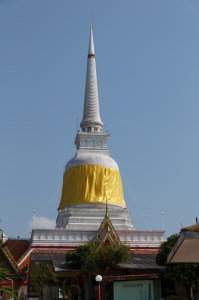
Wat Phra Borommathat Chaiya stands as the most elaborate example of Srivijaya influence remaining in Thailand today. Built around an eye-catching Javanese-style chedi, the site is thought to have been established when Chaiya was an important regional centre of the Srivijaya kingdom around the eighth century CE. Today the chedi features on the Surat Thani provincial symbol and is mimicked by the provincial capital’s City Pillar shrine.
Many scholars believe that the Srivijaya’s linguistic legacy can still be heard in the Old Malay derived languages spoken in modern Indonesia and Malaysia. Srivijaya subjects also may have been the first to introduce Buddhism to what’s now Thailand and Cambodia, though their Mahayana-dominated form would eventually lose out to Theravada Buddhism from Burma and Sri Lanka. The chedi at Wat Phra Borommathat is one of a handful of ancient Srivijayan monuments that can still be seen in the Chaiya area, with two others found at nearby Wat Kaeo and Wat Long.
First constructed out of brick and vegetable mortar some 1,200 years ago, the chedi was twice restored in the early 20th century. Some alterations were made, including the addition of Thai artistic elements, but the original shape was largely preserved. Those who have explored ancient Javanese temple sites will notice a strong resemblance to the sanctuaries of Prambanan and others. Rising from a square base, its five patterned tiers include shelves, niches and points leading up to a lotus and topped by a slender spire. Buddhist relics are said to be enshrined inside.
Surrounding the chedi on all four sides are ceramic-roofed cloisters filled with Buddha images of various shapes and sizes. Near a Bodhi tree on the other side of the cloisters, a trio of sandstone Ayutthaya-era Buddha images in the Subduing Mara posture sit side by side, exposed to the elements. Local lore claims that these images prefer to be outside, evidenced by a lightning strike on a building they were once placed in.
The temple grounds also include a medium-size ordination hall which, surprising given the importance of the temple, has no murals and only a small collection of typical-looking Buddha images. Stroll to the temple’s northern section and you’ll find a cluster of attractive old wooden buildings that appear to hail from around a century ago.
Music free under creative commons licence, from you tube Music Library
Spirit of Fire by Jesse Gallagher
















 Journeys From A Small Room